Embroidery Flowers: The Art of Blooming with Thread
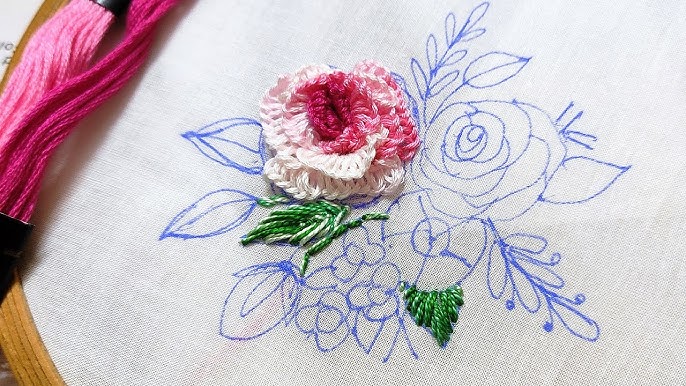
Embroidered Flowers: A Timeless Craft That Turns Fabric into Living Art
Embroidery is more than a decorative skill—it’s a quiet conversation between the hands and the fabric. Among all embroidery styles, floral embroidery holds a special place. Flowers have always been a natural choice for stitchers because they’re forgiving, expressive, and endlessly adaptable. No two flowers look exactly the same, and embroidery celebrates that imperfection beautifully.
Whether you’re stitching for relaxation, creative expression, or to personalize everyday items, embroidered flowers offer a gentle entry point into textile art and a lifelong source of inspiration.
Why Floral Embroidery Has Never Gone Out of Style
Flowers carry meaning without words. Across cultures and centuries, people have used floral embroidery to tell stories—about love, memory, seasons, and identity. What keeps floral embroidery relevant today is its flexibility. It can be traditional or modern, detailed or minimalist, bold or barely there.
Unlike many crafts that follow trends, floral embroidery evolves quietly. A stitch learned once can be reinterpreted a hundred different ways depending on color, spacing, and intention.
A Living History of Embroidered Flowers
Floral embroidery has existed for thousands of years, often reflecting the values and environment of the people who created it.
In ancient China, embroidered flowers symbolized prosperity and harmony, stitched with silk threads onto ceremonial garments. In Europe, particularly during the Victorian era, floral embroidery became a subtle language—specific flowers were chosen to express emotions that society discouraged speaking aloud.
India’s Chikankari embroidery focused on delicacy and restraint, where floral patterns were meant to be felt as much as seen. In Japan, Sashiko used repeated patterns inspired by nature, blending beauty with function.
What’s interesting is that across all these cultures, flowers were never purely decorative. They carried intention, patience, and care—qualities that still define embroidery today.

Flower Embroidery Styles That Artists Actually Use
Rather than focusing on rigid “rules,” most experienced embroiderers think in textures and movement. Flowers are built layer by layer, often combining multiple stitches in one design.
Lazy Daisy Stitch
Often the first stitch people learn, but rarely the first they abandon. When varied in size and spacing, it creates organic petals that feel light and natural.
French Knots
These tiny knots are unpredictable in the best way. No two ever look the same, which makes them perfect for flower centers, pollen textures, or scattered wildflowers.
Bullion Knots
Time-consuming at first, but incredibly rewarding. They’re ideal for roses and buds where depth matters more than speed.
Satin Stitch
Simple in theory, challenging in practice. When done well, it gives petals a smooth, almost painted appearance.
Long and Short Stitch
Used when realism matters. This stitch allows shading and color blending that makes flowers look dimensional rather than flat.
Most skilled embroiderers don’t rely on one stitch—they layer them, adjusting tension and direction to mimic how real flowers grow.
Materials That Make Floral Embroidery Easier (and More Enjoyable)
Beginners often underestimate how much materials affect the experience. Good tools don’t make you better instantly, but they make learning less frustrating.
-
Fabric: Linen and cotton provide enough resistance to guide stitches without fighting the needle.
-
Thread: Cotton floss is forgiving. Silk is beautiful but less beginner-friendly.
-
Hoop: A firm hoop prevents puckering, especially important for dense floral designs.
-
Needles: A needle that’s too large damages fabric; too small causes thread fraying.
-
Scissors: Sharp scissors aren’t a luxury—they prevent thread splitting and messy ends.
Experienced stitchers often say this: if something feels difficult, check your materials before blaming your skill.
Starting Floral Embroidery Without Feeling Overwhelmed
Floral embroidery looks complex, but it doesn’t need to start that way. Many confident stitchers began with uneven petals and crooked knots.
Here’s what actually helps beginners improve:
-
Start with oversized flowers—mistakes are less noticeable
-
Limit color choices to avoid visual clutter
-
Practice stitches individually before combining them
-
Accept that early work is for learning, not perfection
-
Stitch slowly—speed comes naturally later
Embroidery rewards patience. The more relaxed your pace, the more control you gain.
Where Embroidered Flowers Fit into Everyday Life
Floral embroidery doesn’t belong only in hoops hanging on walls. It quietly elevates everyday objects.
-
Jackets and denim gain personality with small floral accents
-
Cushions and table linens feel warmer and more personal
-
Tote bags become meaningful instead of disposable
-
Handmade embroidered gifts often outlast store-bought ones
Many stitchers say floral embroidery becomes part of their daily rhythm—something done in short sessions, stitched between responsibilities.
Floral Embroidery in 2025: Where the Craft Is Headed
Modern floral embroidery isn’t abandoning tradition—it’s reinterpreting it.
Some noticeable shifts include:
-
Subtle 3D effects using layered stitching
-
Minimalist floral outlines instead of full fills
-
Nature-inspired color palettes over bright contrasts
-
Sustainable materials like organic cotton and natural dyes
-
Combining hand embroidery with digital tools for precision
What’s consistent is intention. Floral embroidery today often reflects mindfulness, sustainability, and slow creativity in a fast world.
Final Thoughts: Why Floral Embroidery Endures
Embroidered flowers are not about perfection. They’re about attention. Each stitch is a small decision—where to place it, how tight to pull, when to stop. That’s what gives floral embroidery its quiet power.
Whether you’re creating art, decorating your home, or simply stitching to unwind, floral embroidery offers something rare: a creative practice that grows with you.
Every flower you stitch is different. And that’s exactly the point.